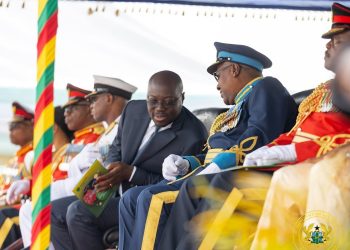
Ghana has hosted a high-level consultation conference in Accra aimed at deepening regional cooperation to address escalating security threats across West Africa and the Sahel.
The two-day conference, convened under the leadership of President John Dramani Mahama, brought together intelligence chiefs, senior security officials, ministers, and key stakeholders from across the sub-region.
The meeting focuses on developing a unified and comprehensive approach to combating terrorism, violent extremism, piracy, and transnational organised crime.
Get the latest news, updates by joining our WhatsApp channel here: Join on WhatsApp.
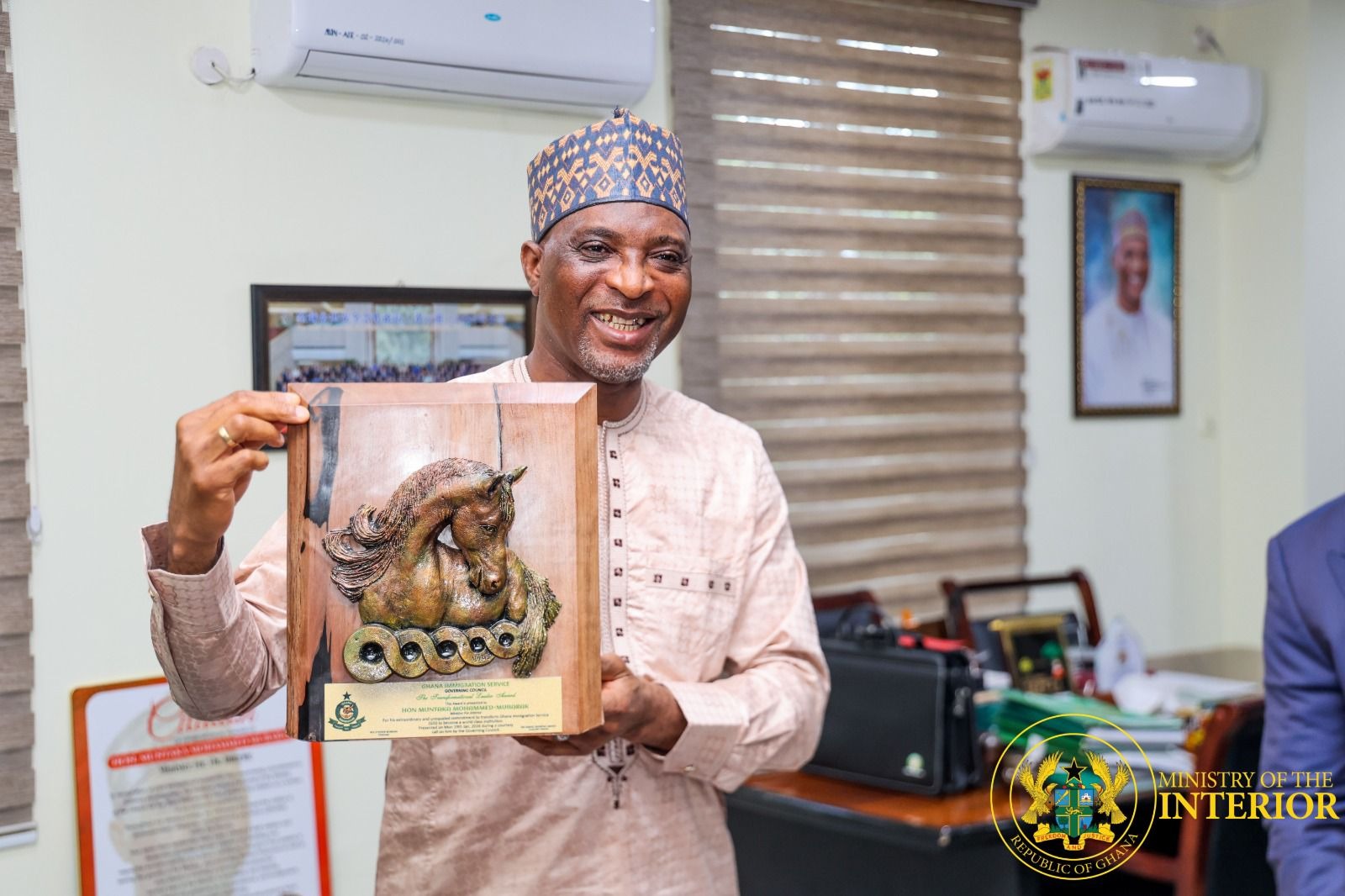
Welcoming participants, Muntaka Mubarak described the conference as a decisive shift from fragmented national responses toward a coordinated regional framework that integrates security, development, and social cohesion.
He noted that the security challenges confronting the region have become increasingly complex, particularly in the Central Sahel, where terrorist and extremist groups continue to exploit governance gaps, economic hardship, intercommunal tensions, and climate-related pressures.
Vice President Prof. Jane Naana Opoku-Agyemang called for stronger regional collaboration, stressing that threats such as money laundering, terrorism financing, and the proliferation of illicit arms transcend national borders and require collective action.
She urged participating countries to adopt a focused and coordinated approach, emphasizing that every West African nation has a responsibility in building a secure and prosperous region.
Muntaka further highlighted the deep link between insecurity and structural vulnerabilities, including climate-induced resource scarcity, youth unemployment, weak border management, and declining social cohesion.
He acknowledged that while Ghana continues to face pressure from transnational crimes such as illegal migration, smuggling, drug trafficking, and cybercrime, intelligence-led operations have recorded notable successes.
He called on intelligence chiefs to engage in frank and forward-looking discussions based on real-time threat assessments, urging them to develop practical and sustainable recommendations that strengthen trust, improve coordination, avoid duplication, and leverage existing regional mechanisms.
Particular attention, he stressed, should be given to the needs of frontier and vulnerable communities.
Also speaking at the conference, the Minister for Foreign Affairs, Hon. Samuel Okudzeto Ablakwa, underscored the need to rethink traditional approaches to regional security.
He emphasized that no single country can confront these threats alone and called for the courage and political will to act collectively through an agreed regional framework.
The conference is expected to produce actionable strategies aimed at enhancing peace, stability, and development across West Africa and the Sahel.