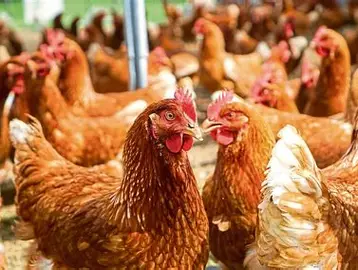
More than 200,000 poultry have been vaccinated across the Savannah, Northeast, and Upper East Regions to curb Newcastle Disease, one of the most destructive viral infections affecting birds in Ghana.
The large-scale exercise, undertaken by the Food and Agriculture Organization of the United Nations (FAO) in partnership with the Veterinary Services Directorate (VSD) of the Ministry of Food and Agriculture (MoFA), was funded by the European Union (EU).
It formed part of the EU-supported Food Security Response in Northern Ghana Project.
Get the latest news, updates by joining our WhatsApp channel here: Join on WhatsApp.
According to a statement issued by the FAO and copied to the Ghana News Agency in Tamale, the campaign covered local fowls, exotic birds, guinea fowls, turkeys, and ducks.
It also strengthened the capacity of 70 MoFA officers and field technicians in farmer mobilization, poultry health sensitization, and effective vaccine administration.
The statement noted that the initiative aims to protect rural livestock, enhance food security and nutrition, and improve the resilience of smallholder farmers.
EU Ambassador to Ghana, Mr. Rune Skinnebach, described the successful vaccination as “a testament to our shared commitment with the people of Northern Ghana,” adding that safeguarding livestock is an investment in the economic stability of smallholder farmers.
Newcastle Disease, a highly contagious viral infection, causes severe respiratory problems, reduced egg production, and high mortality in birds. In Ghana, the disease has resulted in major economic losses for farmers and poses a threat to rural food and nutrition security.
The vaccination exercise targeted multiple districts and communities, with emphasis on inclusive community engagement. Women, persons with disabilities, and youth farmers were prioritized to prevent livestock losses and strengthen food security among vulnerable groups.
FAO Representative in Ghana, Madam Priya Gujadhur, emphasized the broader impact of the intervention, saying that protecting poultry means safeguarding livelihoods, nutrition, and hope for rural families.
Foster Batom, a lead farmer in the Sigma community, expressed optimism following the exercise, recalling that many farmers previously lost their birds due to the unavailability of vaccines.
The statement added that FAO and its partners remain committed to promoting animal health, food security, and sustainable livelihoods in northern Ghana, while supporting rural poultry production as a key driver of nutrition and economic growth.