Accra, Oct 31 Mr Evariste Sindayigaya, Sub-Regional Director for West and Central Africa at Plan International, has urged African governments to increase investment in education to strengthen resilience, promote inclusion, and build a skilled future workforce.
He said allocating between 10 to 20 per cent of national budgets and 4 to 6 per cent of Gross Domestic Product (GDP) to the education sector could transform lives and secure the continent’s future.
“They are outcomes which will help children grow and take care of their lives. They will enable children, especially girls, to acquire the skills and knowledge for life, work, and survival,” he said.
Get the latest news, updates by joining our WhatsApp channel here: Join on WhatsApp.
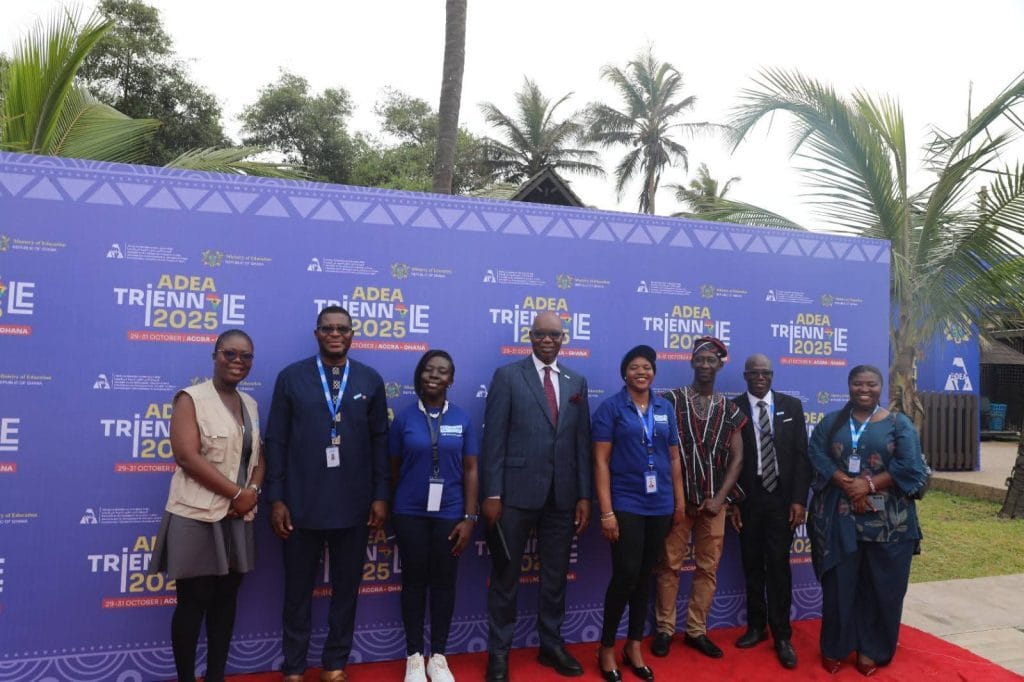
Mr Sindayigaya made the remarks at the opening of the 2025 ADEA Triennale Conference in Accra, organised in partnership with Ghana‘s Ministry of Education. The conference, themed “Strengthening the Resilience of Africa’s Educational Systems: Advancing Towards Ending Learning Poverty by 2035 with a Well-Educated and Skilled Workforce,” brought together policymakers and development partners.
He said Plan International’s mission was to advance the rights of children and promote gender equality by ensuring that girls “learn, lead, decide, and thrive” in safe and inclusive environments. The organisation, he added, works with partners to empower girls to participate in community and national decision-making structures.
Mr Sindayigaya highlighted challenges in Africa’s education sector, including poor coordination among stakeholders and duplication of efforts, calling for stronger collaboration to maximise impact.
Mr Constant Tchona, Country Director of Plan International Ghana, said his office continues to support the Ministry of Education through the Ghana Accountability for Learning Outcomes Project (GALOP) to improve access to education for children in both rural and urban areas.
He noted, however, that despite progress, more than one million children in Ghana remain out of school. “We’re making sure that we transition them into mainstream education and retain them,” he said. “But the question is, how do we scale up the response when funding is shrinking?”
Mr Tchona urged governments, private sector players, and donors to view education not merely as a social cause but as a strategic investment in national development.
“There are more than 100 million out-of-school children in Sub-Saharan Africa, 24 per cent of whom are girls. We must make the system more gender responsive and inclusive,” he said.