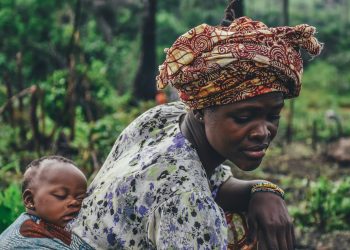
Women remain central to Ghana‘s food production systems, yet their participation in agricultural decision-making continues to lag.
That imbalance is now being challenged through a growing movement to make rural advisory services more gender-responsive, highlighted at a high-level forum in Koforidua under the Gender and Rural Advisory Services (GRAS) initiative.
Supported by the PlantwisePlus programme, the forum brought together government officials, development partners, academics and farmer-based organisations to review progress and outline a sustainability roadmap for gender equality in agriculture.
Get the latest news, updates by joining our WhatsApp channel here: Join on WhatsApp.
Madam Paulina Addy, Director of the Women in Agricultural Development Directorate at the Ministry of Food and Agriculture, opened the session with a call to strengthen the inclusiveness of Ghana’s advisory systems.
“Gender equality is not just a matter of fairness; it is a catalyst for sustainable and equitable rural transformation,” she said. She emphasised that the GRAS initiative aims to close participation gaps and ensure advisory services work for all farmers.
“When we empower a woman farmer, we feed the community. When we mainstream gender in agriculture, we strengthen the nation.”
Hajia Yusufu Habiba, Eastern Regional Director of Agriculture, reiterated women’s significant contribution, noting that they constitute nearly 40 per cent of the agricultural workforce yet continue to face constraints including limited access to land, credit, extension services and technology. She called for sustained advocacy to improve women’s access to essential resources and markets.
Dr Victor Attuquaye Clottey, Regional Director for CABI West Africa, urged stakeholders to transition from discussion to action by establishing clear governance frameworks and financing structures. He said the forum must outline how GRAS will be managed by a national public institution, as PlantwisePlus support ends in 2026.
Launched in 2022, the GRAS initiative has become a platform for gender-sensitive agricultural policy dialogue and innovation.
Key achievements include higher women’s participation in training and digital advisory services, the creation of a gender technical working group at MoFA, improved access to land registration and financial services, childcare support within extension programmes, and extensive use of interactive radio and community dialogues.
Representatives shared testimonials showing improvements in livelihoods, nutrition and social norms in participating communities.
A speaker from the Ministry of Gender, Children and Social Protection underscored the national importance of gender equality in agriculture, stating, “Empowering women farmers is not charity, it is a national economic strategy.” She highlighted longstanding barriers such as patriarchal land systems, financial exclusion and sociocultural constraints.
Dr Benson Mutuku, Gender Coordinator for CABI Africa, pointed to progress in youth engagement and digital innovation, with young people now operating income-generating businesses supported by digital advisory tools and radio-based learning platforms.
The forum ended with a unified commitment to embed gender equality firmly within national agricultural structures.
Stakeholders endorsed plans to institutionalise GRAS, expand digital tools for inclusive extension, strengthen farmer cooperatives, address sociocultural norms restricting women’s agency, and develop financial innovations that better serve women farmers.
With women forming more than half of the agricultural labour force, participants agreed that closing gender gaps is essential to securing Ghana’s food systems and advancing rural development.
The GRAS initiative, they affirmed, represents a long-term movement to ensure every farmer, regardless of gender, has equal access to knowledge, resources and opportunity.