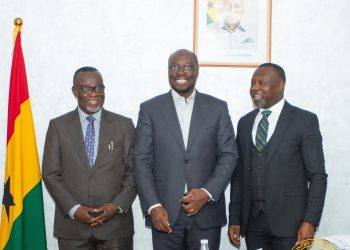
Accra, Oct. 24. The government has announced plans to more than double funding for road infrastructure in the 2026 budget, aiming to sustain Ghana‘s economic recovery and strengthen long-term resilience.
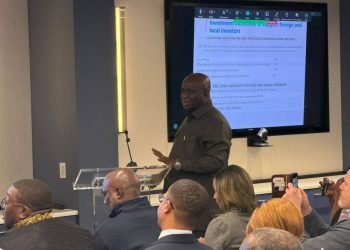
Deputy Minister for Finance, Mr Thomas Nyarko Ampem, stated that recent macroeconomic gains provide a foundation for inclusive development and shared prosperity, with a focus on fiscal discipline and infrastructure expansion. Speaking at a stakeholder engagement session for the 2026 budget preparation, he said, “The government remains steadfast in sustaining the momentum of economic recovery and building a resilient economy that delivers opportunity for all Ghanaians.”
Mr Ampem noted that over 60 road projects have already commenced nationwide to improve connectivity and support economic activity, with significantly increased funding planned for the coming year. He emphasised that transportation networks are critical for facilitating trade, boosting growth, and creating jobs.
Get the latest news, updates by joining our WhatsApp channel here: Join on WhatsApp.
“Our focus areas include economic stabilisation and fiscal discipline, infrastructure and social development, social protection, education and youth empowerment, as well as employment creation,” he added.
The Deputy Finance Minister highlighted that the 2026 budget would balance infrastructure investment with social development priorities, including healthcare, education, and support for vulnerable groups. He attributed the government’s capacity to expand capital spending to recent improvements in macroeconomic indicators, including a primary balance surplus of 1.4 per cent of GDP, a reduced fiscal deficit of 1.5 per cent, and a decline in public debt to 46.8 per cent as of August 2025.
Mr Ampem further noted that inflation had dropped to 9.4 per cent, treasury bill rates had declined by 1,300 basis points, and Ghana had received credit rating upgrades from international agencies. He said the Ghanaian cedi’s appreciation had reduced the cost of imported construction materials, while the IMF agreement and Moody’s credit rating upgrade reaffirmed international confidence in Ghana’s economic trajectory.
“The government remains committed to sustaining the economic turnaround through prudent debt management, structural reforms, and expanded capital investment,” he added.
Consultations with financial and non-financial institutions, civil society, academia, and citizens will inform the final 2026 budget, which is focused on job creation and private sector-led growth and is scheduled for presentation to Parliament in November 2025.