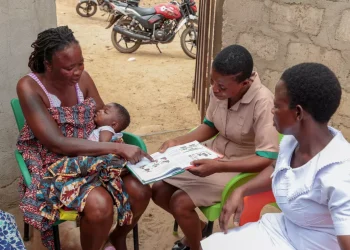
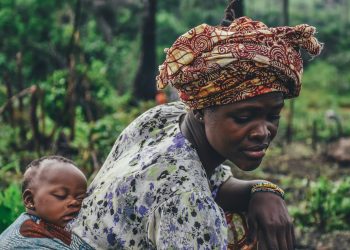
An important empowerment workshop has been held at Gbambu in the Gushegu Municipality of the Northern Region to educate women, young girls, and single mothers on Sexual and Reproductive Health Rights (SRHR), prevention of sexual violence, and bodily autonomy.
Organised by the Pan-African Organisation for Research and Protection (PAORP) with support from the African Women’s Development Fund (AWDF), the session brought together 20 participants for practical training and dialogue aimed at strengthening their protection and confidence.
Understanding and Preventing Sexual Violence
Mr Iddrisu Sunday, a Social Welfare Officer, led discussions on the various forms and causes of sexual violence. He identified child marriage, betrothal arrangements, trafficking, and “Kayaye” migration as common drivers of abuse affecting young girls in the region.
Get the latest news, updates by joining our WhatsApp channel here: Join on WhatsApp.
He stressed that education remains one of the most effective tools for preventing abuse, urging parents to prioritise schooling for daughters rather than pushing them into early marriage or risky migration.
Mr Sunday noted that sexual violence often results in long-term emotional trauma, health complications, and disrupted education. He further reminded participants that spousal rape is a real and punishable offence, emphasising that “marriage does not give any man ownership over a woman’s body.”
Promoting Sexual and Reproductive Health Rights
Mr Mohammed Fatawu Hamid of the Ghana Health Service explained SRHR as the right of every individual to make informed decisions about their body and sexual health. He said that increasing awareness of SRHR can significantly reduce teenage pregnancies, sexually transmitted infections, and child marriages.
He encouraged women to engage openly in conversations about menstrual health, family planning, and reproductive choices with their daughters to prevent misinformation and harmful practices.
Protecting Against Abuse and Seeking Justice
Mr Daniel Ediem of the Ghana Police Service educated participants on recognising warning signs of abuse, setting boundaries, and seeking help. He reminded them that abuse is about power and control, not affection, and urged survivors to reach out through the Ghana Police emergency lines 191 or 18555, or DOVVSU via 0800 111 222.
He reaffirmed that spousal rape is illegal, stressing that survivors deserve confidential, dignified support.
Community Concerns and the Way Forward
During discussions, participants raised concerns about how interference from some local leaders often obstructs justice in sexual violence cases. They called for broader community sensitisation to ensure SRHR education reaches more women and girls, especially in underserved areas.
The workshop concluded with a renewed commitment to promoting SRHR as fundamental human rights and advancing awareness, education, and community accountability to foster safer, more equitable environments for all women and girls.