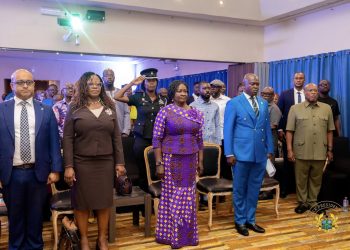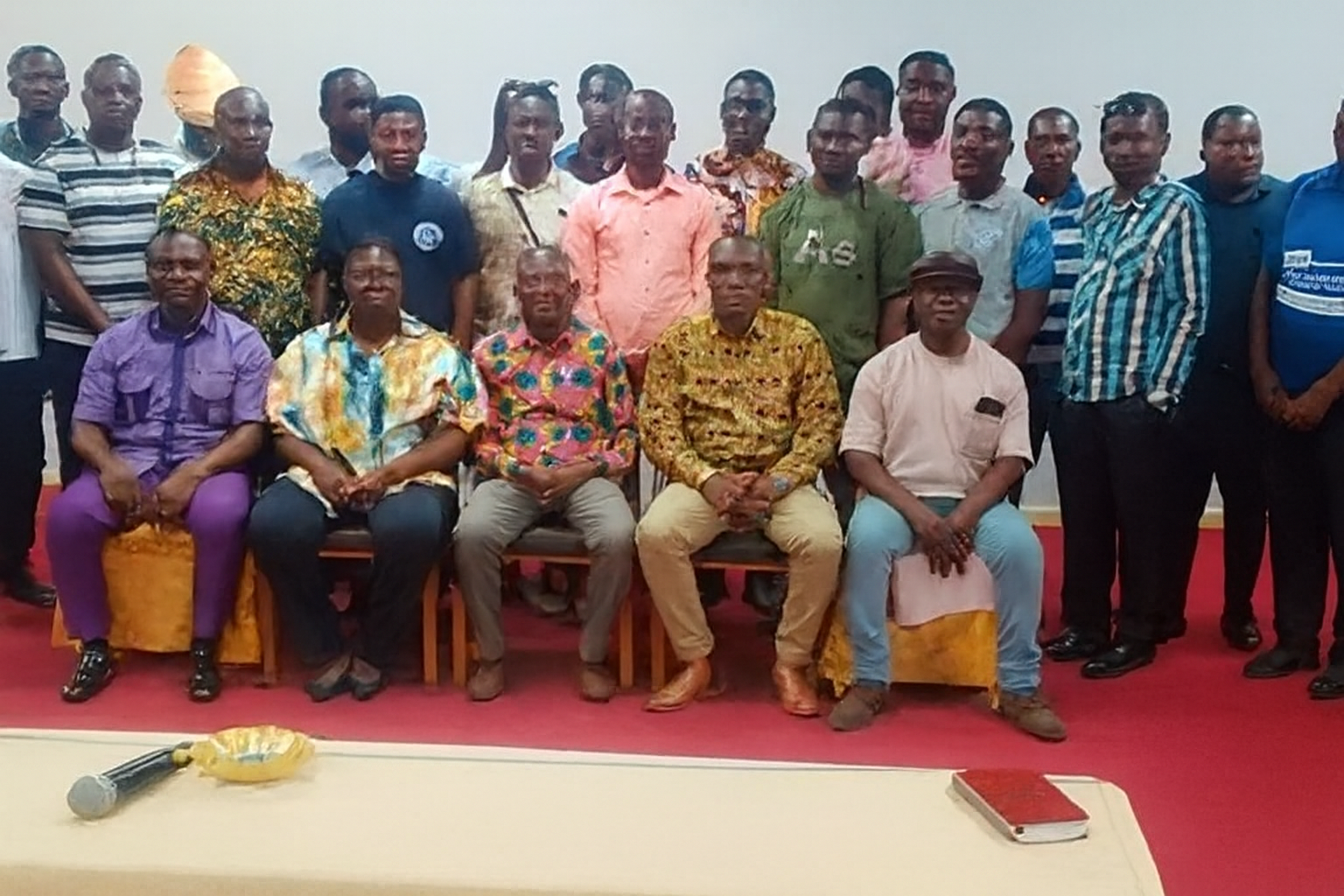
Friends of the Nation (FoN), in partnership with ProSea Marine Education, has organised a one-day fishing safety reporting training for selected journalists across the coastal belt of the Western Region.
The workshop, held in Takoradi under the Marine SafeNet Ghana Project, aimed at enhancing media capacity to promote safety among artisanal fishers and improve fisheries governance.
Speaking at the event, Mr. Mevuta Donkris, Executive Director of FoN, underscored the importance of strong collaboration with the media, noting that journalists play a crucial role in advancing responsible fisheries management.
Get the latest news, updates by joining our WhatsApp channel here: Join on WhatsApp.
He stated that small-scale artisanal fishers remain vital to livelihoods and food security globally, yet their contributions often go unrecognised.
Despite their importance, he said, fishing is one of the world’s most dangerous professions.
He cited International Labor Organization statistics indicating that 24,000 fishers die annually, while the Food and Agriculture Organization reports about 80 fatalities each day.
Mr. Donkris described the situation in West Africa as particularly worrying, with nearly 100 artisanal fishers going missing at sea due to severe weather linked to climate change.
He noted that FoN and its partners are working to improve safety, fairness and sustainability in the fishing sector through livelihood empowerment and justice initiatives. However, he emphasised that these efforts require strong media support.
“Our efforts alone cannot do this, and since the media plays a powerful role in creating awareness and informing policy by reporting accurately, the media will ensure that fisheries struggles and achievements are safe, respected and never forgotten,” he said.
He expressed hope that the partnership would help shift narratives “from tragedy to transformation,” adding that together, stakeholders can ensure every fisher returns safely from sea.
FoN Project Officer, Mr. Philip Prah, revealed that the organisation is compiling safety concerns within the artisanal fishing sector and has introduced a solar-powered tracking device to support fishers, especially in areas with no mobile network coverage.
Another Project Officer, Mr. Obrempong Yaw Ampofo, explained that the training was specifically designed to help journalists understand and pay attention to safety-related challenges facing small-scale fishers.
Participating journalists pledged to prioritise safety issues within the artisanal fishing industry on their media platforms.