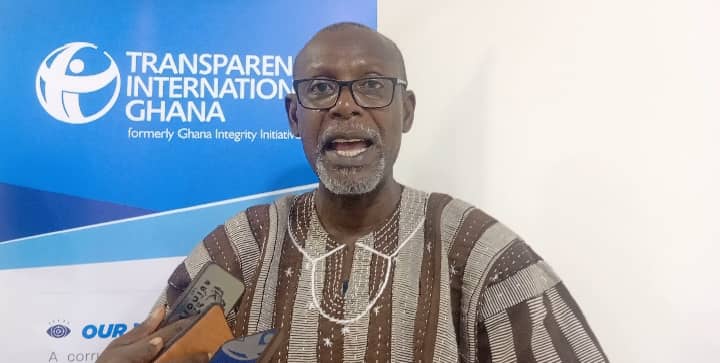
Mrs Mary Awelana Addah, Executive Director of Transparency International Ghana (TI-Ghana), has called on Civil Society Organisations and the media to intensify advocacy on the gendered impact of corruption to ensure a more inclusive and effective national response.
Speaking at a capacity-building workshop for CSOs and media practitioners in Tamale, she stressed that corruption affects men and women differently, with women and girls disproportionately exposed due to systemic inequalities and cultural barriers that limit their access to justice and essential public services. She urged stakeholders to elevate these concerns within public discourse and grassroots advocacy.
“Corruption is not gender-neutral; it affects men and women differently. However, women often bear the brunt due to their limited access to decision-making spaces, economic opportunities, and legal redress mechanisms. We must build strong coalitions to raise awareness and demand accountability,” Mrs Addah said.
Get the latest news, updates by joining our WhatsApp channel here: Join on WhatsApp.
The workshop, themed “Anti-Corruption and Gender Dimension of Corruption,” aimed to strengthen anti-corruption reporting and advocacy at the sub-national level. It forms part of the Participation, Accountability, and Integrity for a Resilient Democracy (PAIReD) project, supported by the European Union through GIZ and implemented across sixty districts in Ghana.
Mrs Addah highlighted that empowering key actors at the local level remains essential to deepening transparency and public accountability.
Hajia Alima Sagito-Saeed, Executive Director of the Savannah Women Integrated Development Agency (SWIDA-Ghana), underscored the urgency of tackling structural and systemic obstacles that hinder women’s participation in governance. She noted that economic empowerment for women and girls is critical to reducing their vulnerability to exploitation and corruption-linked abuses.
Mr Abdulai Soale, Sagnarigu Municipal Director of the National Commission for Civic Education, commended TI-Ghana for the training, describing it as timely and aligned with the Commission’s civic education mandate. He expressed optimism that sustained collaboration among CSOs, the media, and public institutions would enhance advocacy and foster good governance at the local level.
The training brought together journalists, CSO representatives, and local governance actors from across the Northern Region. Participants examined the gendered impact of corruption, shared community engagement strategies, and explored practical approaches to strengthening transparency and accountability within governance systems.