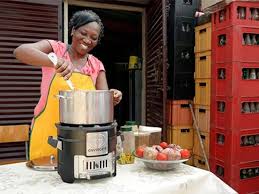
World Vision Ghana has supplied 1,000 energy-efficient Gyapa cookstoves to 30 communities in the Binduri District as part of a major push to promote sustainable cooking, curb deforestation, and improve the health and livelihoods of rural households.
The distribution forms part of the organisation’s scale-up of the Farmer-Managed Natural Regeneration PLUS (FMNR PLUS) project, which focuses on environmental protection, climate resilience, and empowering local communities.
Speaking at a brief presentation ceremony, Mr Samuel Abasiba, FMNR Project Manager, delivered a speech on behalf of Mr Rexford Yamdorg Bugre, Northern Regional Operations Manager of World Vision Ghana.
Get the latest news, updates by joining our WhatsApp channel here: Join on WhatsApp.
He described the initiative as a significant milestone in the district’s progress toward sustainable development and environmental stewardship.
He noted that the Gyapa stove, designed to use 46 percent less fuel while emitting less smoke, would help reduce Ghana’s dependence on firewood and charcoal, which currently accounts for more than 80 percent of household energy consumption.
Mr Bugre warned that such overreliance on biomass has contributed to nearly a 70 percent decline in Ghana’s forest cover over the past four decades.
Citing global concerns, he referenced World Bank estimates suggesting that four million premature deaths occur annually due to pollution from traditional open-fire cooking methods, with rural communities, where firewood and charcoal use exceeds 95 percent, being the most vulnerable.
Mr Bugre emphasised that the energy-saving stoves would lower carbon emissions, reduce exposure to harmful fumes, and free up household income otherwise spent on fuel.
He stressed that the rollout represented more than distribution, explaining that the goal was to empower communities and stimulate demand for cleaner cooking technologies through awareness creation.
He announced that Phase II of the FMNR PLUS project, running from May 2024 to March 2026, aims to reach 5,000 individuals while expanding efforts in environmental governance, disaster risk reduction, financial inclusion, and sustainable livelihoods.
He expressed appreciation to the KNAUER family and company, along with other partners and stakeholders, for supporting the project.
According to him, the initiative contributes to multiple United Nations Sustainable Development Goals, including poverty reduction, good health, decent work, economic growth, and climate action.
Each Gyapa stove, he added, helps improve air quality, reduce greenhouse gas emissions, create jobs across the production chain, and strengthen local enterprises.
Mr William Anamoo, Planning Officer at the Binduri District Assembly, commended World Vision Ghana for its continuous support toward the district’s development.
He urged beneficiaries to use the cookstoves properly to minimise smoke-related illnesses and reduce dependence on firewood, which has long worsened environmental degradation.