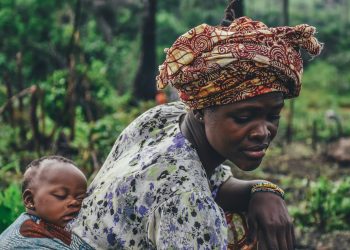
Farmers in Libga, a community in the Savelugu Municipality, have collaborated with researchers from the Council for Scientific and Industrial Research-Crops Research Institute (CSIR-CRI) in a participatory varietal selection (PVS) exercise aimed at identifying high-performing okra varieties best suited to local production conditions.
The activity forms part of the VACS Okra Breeding Project under the Vision for Adapted Crops and Soils (VACS) initiative, which focuses on strengthening Africa’s agrifood systems through resilient, nutritious crops such as okra.
The project is funded by the International Maize and Wheat Improvement Centre (CIMMYT) through the World Vegetable Centre. At the event, Dr Jacinta Adoma Opoku, Principal Investigator for the VACS Okra Breeding Project in Ghana, explained that the exercise offered farmers, seed dealers, seed companies and processors the chance to directly evaluate and rank okra varieties based on traits important to them.
Get the latest news, updates by joining our WhatsApp channel here: Join on WhatsApp.
These include yield, fruit quality, tolerance to abiotic and biotic stresses, and overall market potential.
She said the goal is to ensure that varieties developed in research stations also align with farmers’ real needs in their own fields. By engaging farmers and other stakeholders, she noted, the project ensures that scientific work remains practical, inclusive and impactful.
Dr Opoku added that feedback collected during the evaluation will guide the selection of promising varieties for wider testing and eventual release in Ghana and other African countries. She said the VACS initiative links African and international partners to enhance climate resilience, nutrition and research capacity, using participatory methods that bring scientific innovation closer to farmers’ realities.
Highlighting okra’s importance to nutrition, income and resilience, Dr Opoku said the support of partners such as WorldVeg and NIHORT, combined with farmers’ involvement, is helping shape the future of okra cultivation across the continent.
She noted that participating farmers expressed appreciation for being part of the research, saying their involvement would help ensure that future varieties meet local environmental and market needs.